
All

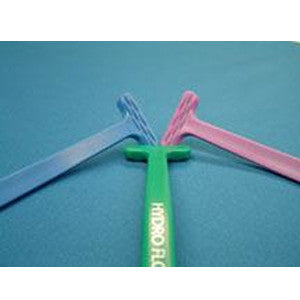
Hydro Floss Tongue Cleaner
$ 0.99
Hydro Floss Tongue Cleaner This simple but efficient design provides a thorough cleaning of the tongue. With molded ridges on the 1.125” Tee and the ergonomic angle, cleaning can be done in less than a minute. By removing the soft...
View full product details
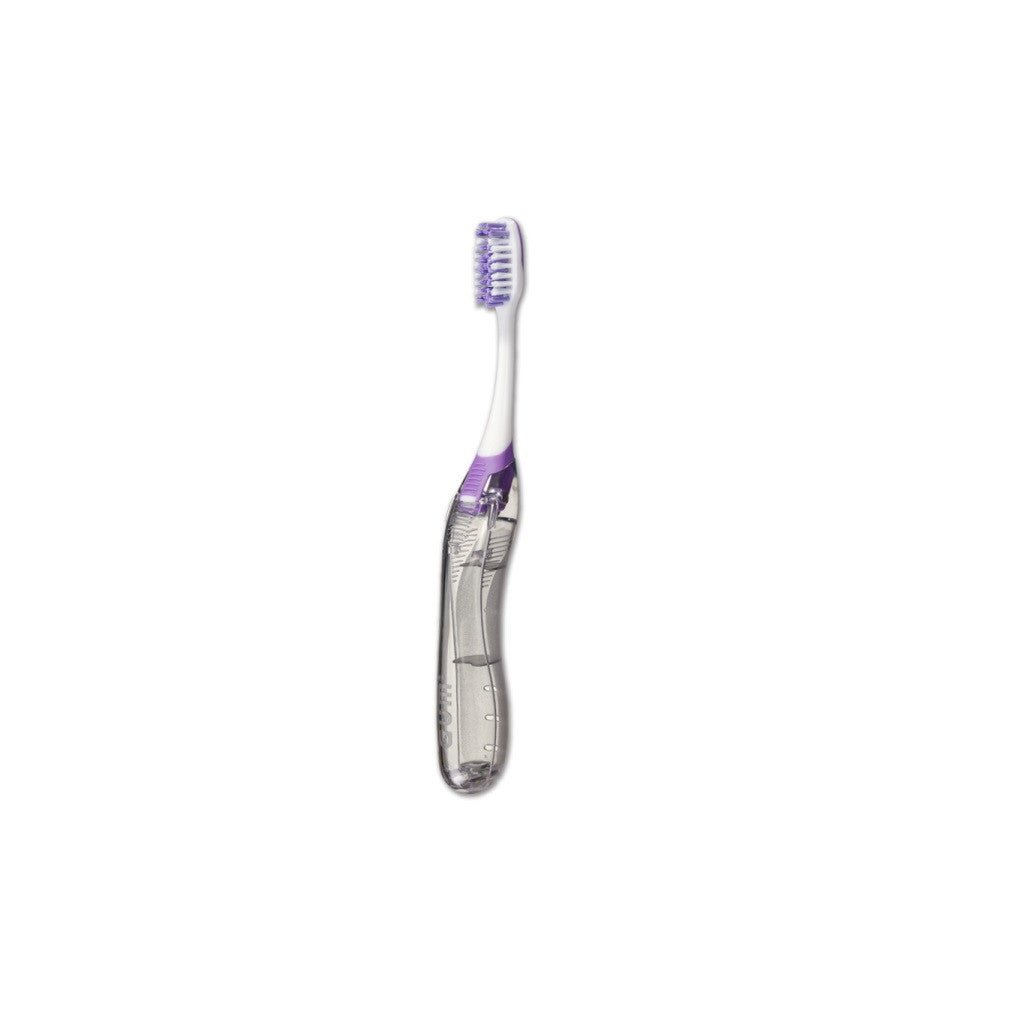
Butler Gum Anti-Bacterial Travel Toothbrush
$ 2.50 $ 2.79
Butler Gum Anti-Bacterial Travel Toothbrush How clean is your travel toothbrush? Have peace-of-mind with a cleaner brush while on the go! Antibacterial* bristles stay cleaner between uses Antibacterial* bristle protection for up to 60 brushings The Dome TrimR bristle design...
View full product details
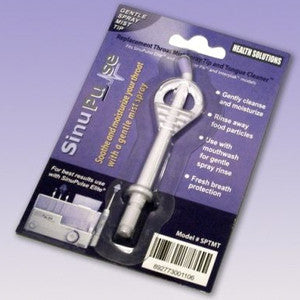
SinuPulse Elite Throat Mist Irrigator Tip - SPTMT
$ 15.95
SinuPulse Elite Throat Mist Irrigator Tip - SPTMT "Soothe and moisturize your throat with a mist spray sensation" The Throat Mist® Irrigator Tip & Advanced Tongue Cleaner provides a unique patented atomized mist spray sensation for soothing moisturizing relief. The...
View full product details
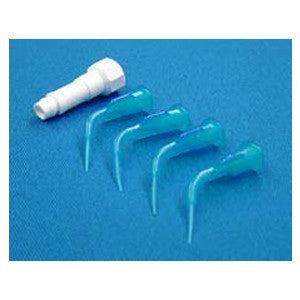
Hydro Floss Hydro Flex P-10 Cannula
$ 9.99
Hydro Floss Hydro Flex P-10 Cannula (Requires Plastic Cannula Adaptor to fit) Plastic cannula that is formed with a supported angle for strength. Designed to deliver irrigation beyond 8 millimeters. Kit contains four (4) tips and plastic adapter.
View full product details
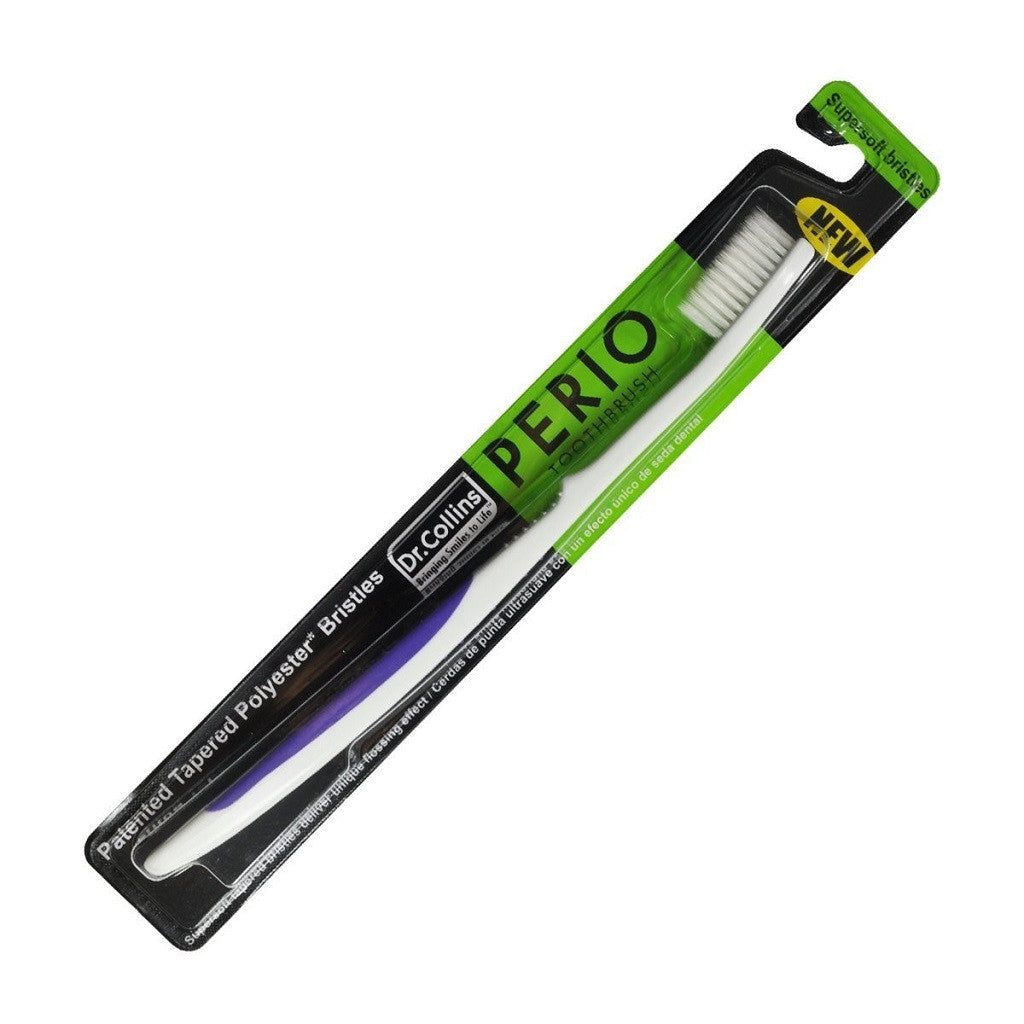
Dr.Collins Perio Toothbrush
$ 3.99
Everyone loves Dr.Collins Perio Toothbrush! Whether you are an aggressive brusher that prefers firm bristles, someone recovering from a dental operation that needs a sensitive brush, or just a person shopping for a better toothbrush, Dr.Collins Perio Toothbrush is for...
View full product details

Dr.Collins Dental Work Floss for Implants, Bridges and Interdental Spaces
$ 6.99
Dr.Collins Dental Work Floss for Implants, Bridges and Interdental Spaces If you have dental work, like braces, implants, bridges, etc., you know how difficult and annoying it is to floss thoroughly. Often times you need two separate types of floss...
View full product details

Sheer White! Take-Home Whitening (packaging may vary)
$ 27.99 $ 29.99
Sheer White! Take-Home Professional Teeth Whitening System ***MFG packaging refresh update, packaging may vary*** An advanced teeth whitening formula for dental professionals, Sheer White! Take-Home completes the second phase of CAO’s Sheer White! Complete Whitening System. Sheer White! 20% Carbamide...
View full product details
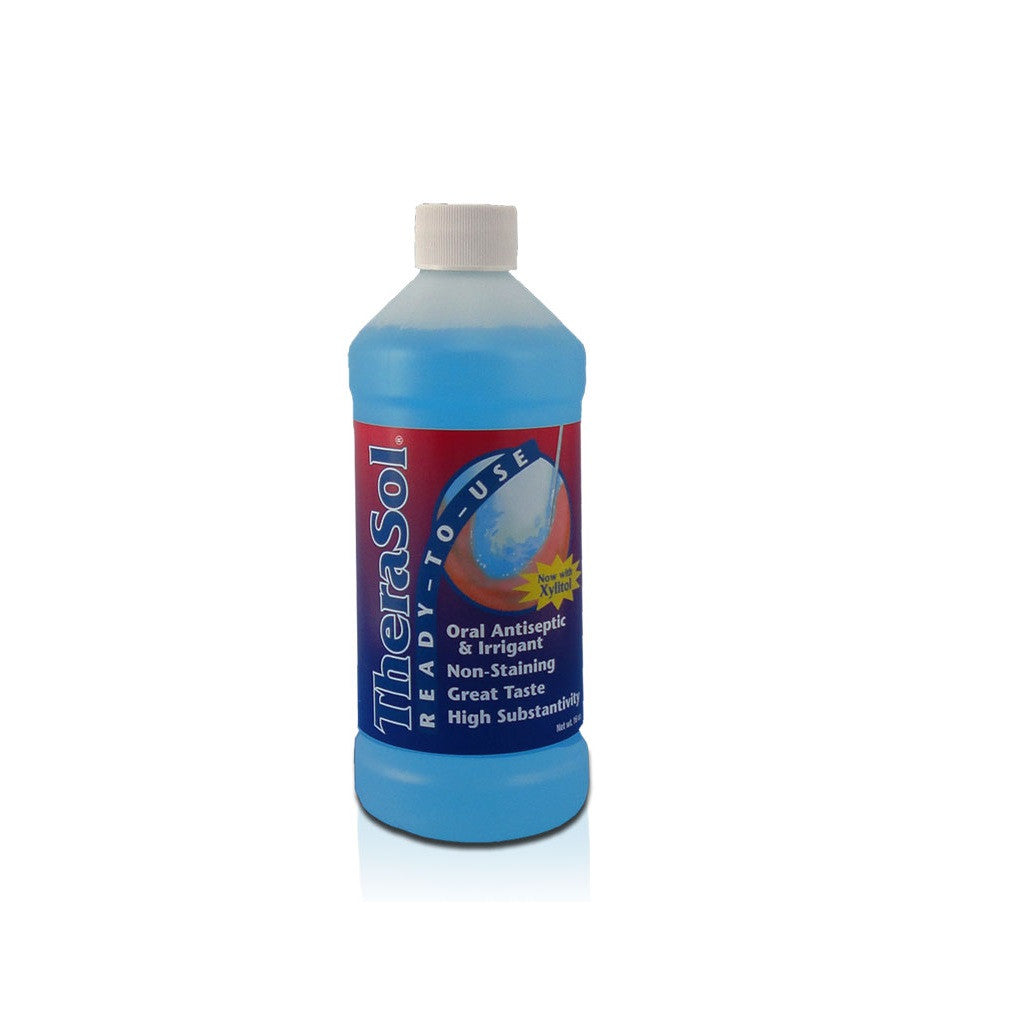
TheraSol Oral Irrigator Solution With Xylitol
$ 17.99
Therasol is a non-staining oral antiseptic designed for use by dental professionals, It’s also gentle enough to be used daily in home care programs. The makers of the original Therasol have always had lots of requests for a saccharin-free version...
View full product details
Philips Sonicare Brush Heads for Kids – Mini 2 pack
$ 17.99 $ 19.99
Philips Sonicare Brush Heads for Kids – Mini 2 pack Try Philips Sonicare Mini Brush Heads for Kids today and start using the #1 recommended brand by dental professionals for superior teeth cleaning! The Philips Sonicare Mini Brush Heads for...
View full product details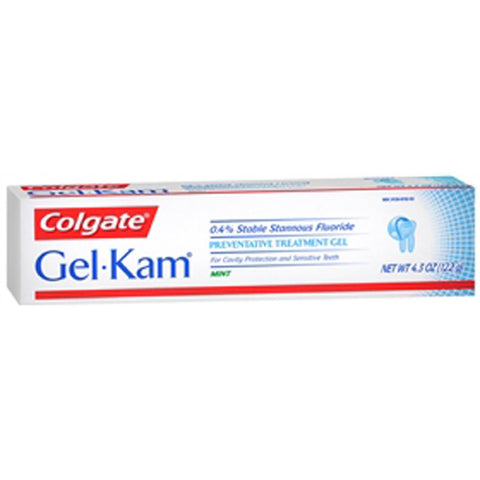
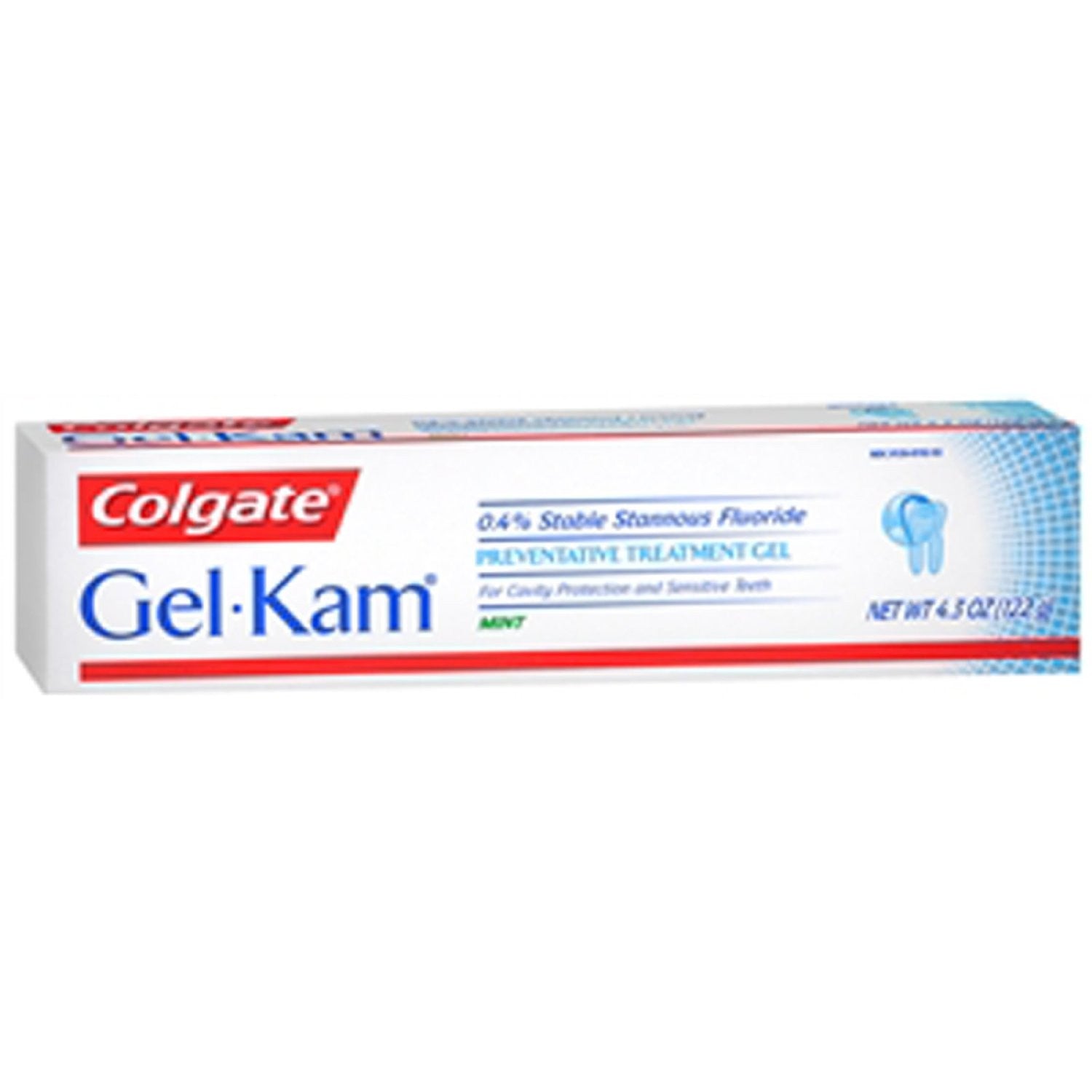
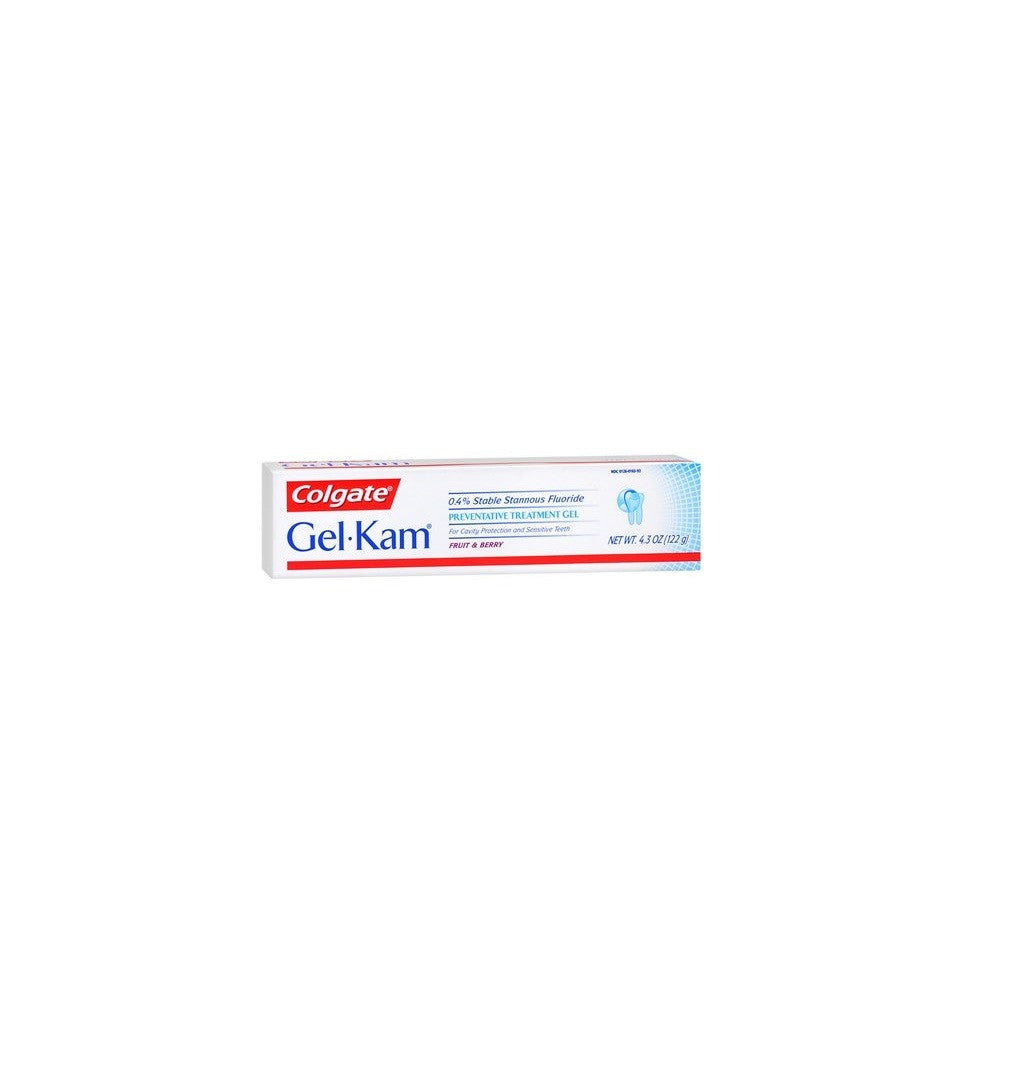
Colgate Gel-Kam Gel
$ 13.99 $ 14.99
Colgate Gel-Kam Gel Colgate Gel-Kam Gel is preventative treatment gel of 0.4% stable stannous fluoride. This at-home-use gel is intended for use in conjunction with your daily hygiene regimen and regular professional care. Colgate Gel-Kam is clinically prove effective in...
View full product details
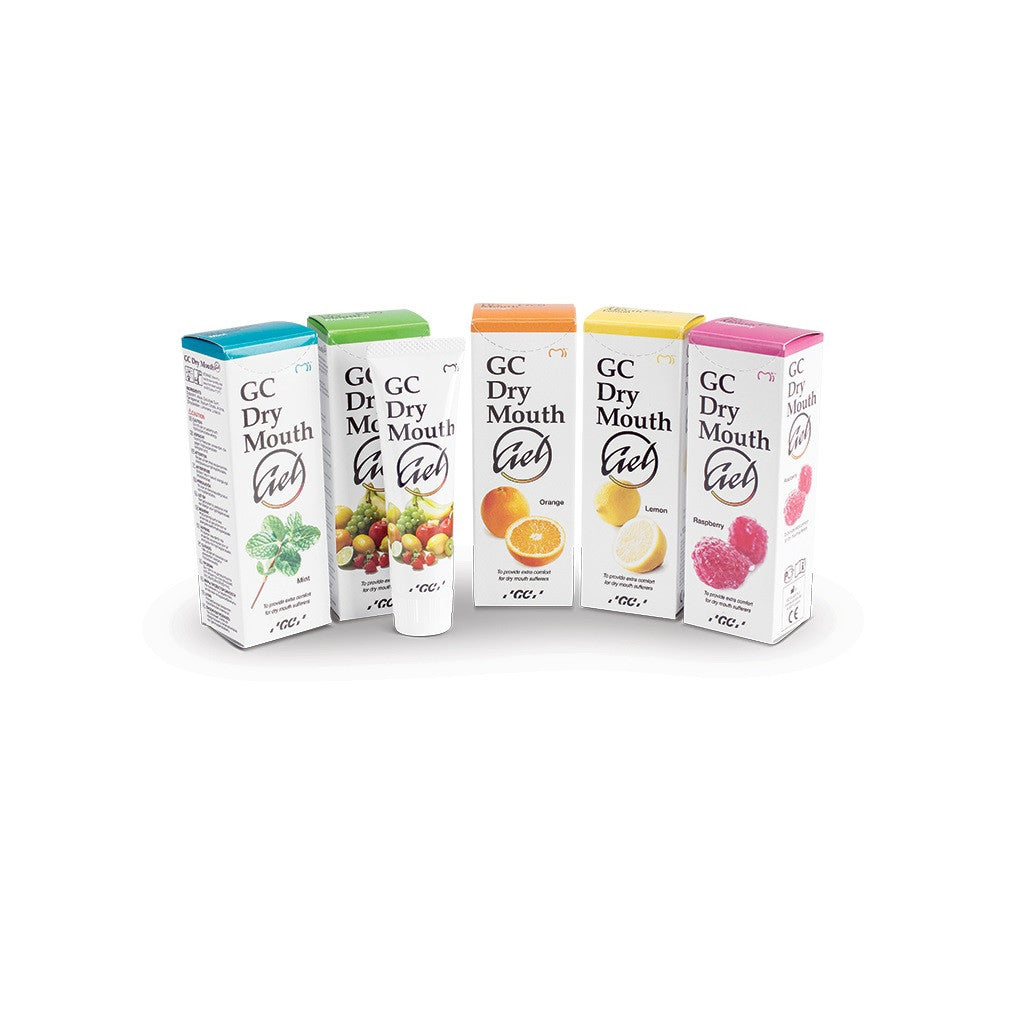
GC America Dry Mouth Gel - Limited time Promo Pricing! FINAL SALE
$ 10.99 $ 16.99
Limited time Promo Pricing! FINAL SALE With advances in medicine there are a variety of pills and potions to enable us to continue enjoying life to the fullest. However, when your mouth becomes dry due to lack of saliva, you...
View full product details
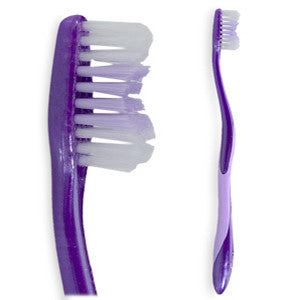
Colgate Wave Toothbrush
$ 3.29 $ 3.99
Colgate Wave Soft Compact Head Toothbrush Fits to Clean Better. The Curved Handle Puts the Power to Brush Better in Your Hands! Curved bristles get in and around the contours of your teeth for outstanding cleaning Curved handle fits your...
View full product details


